#1 Company Setup in UAE

Company Setup in Dubai, UAE | Sarab Al Iiman

Whether you need Company Registration In Dubai, Company registration in Dubai mainland / Company formation in Dubai mainland, or UAE Free Zone Company Setup to Register a company in Dubai free zone, we guide you through trade name, initial approvals, licensing, and visas as part of our Business setup services and full Business setup in UAE / Company setup in UAE advisory. Dubai is also rolling out the Dubai Unified license (a single verified business identity across the emirate for both mainland and free zone entities), which helps streamline verification and access to services. If you want speed and convenience, we also help you Register company in Dubai online with Online company registration in Dubai workflows via official portals where applicable. If you’re comparing a List of business setup companies in Dubai, our goal is to be the Best business setup company in Dubai for transparency, guidance, and compliance-led execution—backed by experienced Business setup consultants in Dubai.

Your Dubai company setup packages are designed around your activity, visa needs, and office requirements, because Company setup Dubai price can vary widely depending on factors such as jurisdiction, license type, approvals, visa allocation, and office or Ejari requirements. Some free zone licenses are suitable for simpler structures, while more complete setups that include visas and office space involve additional elements; similarly, mainland licensing depends on the activity, regulatory approvals, and mandatory office requirements, which can significantly impact the overall first-year setup scope. Your Minimum investment to start business in Dubai is usually more about covering the right license, office, and visa plan rather than paying “capital” upfront, although share-capital requirements can apply in some free zones depending on the zone and activity. For investors building asset structures, holding-company setups vary by free zone route, jurisdiction, office choice, and compliance obligations, and we position the structure to align with banking and economic substance expectations. For cost-sensitive founders seeking the cheapest company setup in UAE, zero-visa free-zone options in selected emirates can be among the lowest entry routes, while Dubai-focused low-cost free-zone packages may also be available depending on the activity and visa count. And yes—100% ownership is available for foreigners in the UAE in most cases, including many mainland activities, subject to the activity and any strategic-sector rules. Finally, if your goal is to reach AED 10,000/month, we’ll steer you toward activities and models that can realistically get there—such as high-margin services, B2B trading niches, e-commerce with clear unit economics, or recurring retainers—then align the license and setup path so you can start invoicing fast, often within days to a few weeks depending on jurisdiction and approvals.

Start Your Business in Dubai With Sarab Al Iiman

Launching in the UAE is easier when your setup path is clear from day one. Sarab Al Iiman delivers company setup Dubai support (your complete company formation in Dubai journey) by matching your activity, budget, visas, and growth plan with the right jurisdiction—mainland companies or free zones—and then executing every step with compliance-first guidance. Whether you want company registration in Dubai mainland for local market access or UAE Free Zone Company Setup to register a company in Dubai free zone, we simplify decisions, paperwork, and approvals so you can start trading faster and with fewer surprises.

As experienced business setup consultants in Dubai, we also support register company in Dubai online / online company registration in Dubai routes through official channels where applicable, and we keep you aligned with evolving frameworks such as the Dubai Unified license approach—so your business identity, licensing, and verification are structured cleanly from the start.

Company Setup Dubai

Who This Service Is For

This service is built for founders and companies who want a smooth, guided business setup in UAE—especially if you want clarity on options, timelines, and company setup Dubai price before you commit.

  • First-time entrepreneurs who need step-by-step help choosing activity, license, and the right structure for company registration in Dubai.
  • UAE residents and non-residents who want a compliant path for visas, banking readiness, and ongoing renewals.
  • Startups, SMEs, and scaling businesses looking for the best-fit setup among company set-up options (mainland vs free zone vs offshore where suitable).
  • Traders, e-commerce sellers, and import/export businesses who want the right permissions and a structure designed for invoicing, logistics, and growth.
  • Consultants, agencies, and professional service providers needing the correct license type and clean documentation for contracts and billing.
  • Corporate expansions & branch/rep office needs, including firms entering Dubai to serve local clients or manage regional operations.
  • Investors and families planning asset structures, including holding company setups (where appropriate) with a focus on compliance and banking readiness.
  • Cost-conscious founders who want the cheapest company setup in UAE that still meets their visa, activity, and operational needs—without hidden add-ons.

If you’re comparing a list of business setup companies in Dubai and want a partner that explains trade-offs clearly and executes accurately, Sarab Al Iiman is built to be your long-term support—not just a paperwork provider.

What You Get (End-to-End Setup)

You get complete business setup services from choosing the right jurisdiction to receiving your license, visas, and operational readiness.

Strategy + jurisdiction selection (Mainland vs Free Zone)
  • Clear comparison of mainland companies vs free zones based on: where you’ll sell, visa needs, office requirements, compliance, and banking readiness.
  • Activity selection and structuring guidance so your license matches what you actually do (and what banks/clients expect).
  • Advice on 100% ownership pathways and the best structure for your goals (including holding structures if needed).
Transparent costing + package planning
  • A practical breakdown of what drives your total company setup Dubai price (license, approvals, office/Ejari or flexi-desk, visas, immigration file, and optional add-ons).
  • Dubai company setup packages designed around your needs—starter (low visa), growth (visas + workspace), and premium (end-to-end support including compliance).
  • Clear guidance on the minimum investment to start business in Dubai, so you plan funds realistically for the first year (not just the license headline).
Registration + licensing execution
  • Trade name reservation, initial approvals, and license application submission.
  • MOA/agreements support (as applicable) and coordination with the relevant authority.
  • Office solution guidance: Ejari office (mainland) or flexi-desk/office (free zone), depending on your setup route.
  • Alignment support for modern identity/licensing requirements, including the note of how the Dubai Unified license framework impacts verification and business identity.
Immigration + visas (if required)
  • Establishment/immigration file setup, entry permits, medicals, Emirates ID steps, and visa stamping support (path varies by jurisdiction and applicant status).
  • Practical guidance on visa quota factors (often tied to office/space and authority rules).
Banking readiness + operational support
  • Banking document preparation guidance (business profile, activity clarity, invoices/contracts where applicable).
  • Post-setup support options: VAT registration (if applicable), corporate tax readiness, bookkeeping, and renewals/amendments.
Typical timelines (guidance, varies by activity/approvals)
  • Many free zone registrations can complete in ~2–7 working days once documents are ready.
  • Mainland licensing often takes ~5–15 working days, depending on approvals and office requirements.
  • Visas and Emirates ID processes can take ~2–4+ weeks depending on medical/biometrics appointments and authority processing.
  • Corporate bank account timelines vary widely and depend on compliance checks and profile strength.

Why Set Up a Company in Dubai?

Dubai is one of the most practical launchpads for company setup Dubai because it combines global market access with a business-friendly licensing ecosystem—especially when you pick the right route between mainland companies and free zones. With Sarab Al Iiman, your company formation in Dubai starts with choosing the correct activity and jurisdiction, then building a setup that is banking-ready, compliant, and scalable from day one.

Dubai also continues to streamline how companies are identified and verified through the Dubai Unified license (DUL)—a single official business identity designed to simplify government services and KYC-style checks for customers, partners, and service providers, and it applies across both mainland and free zone entities.

Key Benefits for Entrepreneurs & Investors

Strong ownership flexibility (including 100% ownership in many cases)

The UAE has moved toward broader full foreign ownership for many mainland commercial activities, supporting investors who want full control of their company structure (subject to the activity and any special rules).

Clear tax framework for planning and growth

The UAE Corporate Tax framework applies 0% on taxable income up to AED 375,000 and 9% above AED 375,000 (with additional rules for specific cases such as qualifying free zone persons and large multinationals). This gives entrepreneurs and investors a predictable foundation for forecasting and structuring.

VAT is established and widely understood

VAT was introduced at a standard rate of 5% in the UAE, which makes indirect tax requirements familiar to banks, suppliers, and corporate clients (and easier to operationalize with the right accounting setup).

Two powerful setup paths: Mainland and Free Zone—choose based on how you’ll earn

  • Mainland companies are typically best when you want maximum flexibility to serve the local UAE market and work with a wide range of clients.
  • Free zones are often ideal for international trade, e-commerce, and service models that benefit from packaged licensing and simplified operational setups (rules vary by free zone).

Faster verification and smoother onboarding via the Dubai Unified license

DUL is designed to give every business a single identity (often presented as a license number + QR code) and streamline permits, certificates, and verification processes across Dubai—reducing friction when you claim your business profiles, onboard vendors, or complete checks with counterparties.

Investor confidence + ecosystem strength

Dubai’s brand, infrastructure, and density of service providers (banks, logistics, auditors, payment gateways, marketplaces) can reduce the “time-to-revenue” for many business models—especially when your license activity and structure match your actual operations.

Dubai vs Other Emirates (Quick Comparison)

Different emirates can be “best” depending on your budget, sector, target customers, and how quickly you want to start. Here’s a practical way to compare—without overcomplicating the decision:

Dubai

Best for founders who want the strongest international brand, deep business services ecosystem, and a wide range of mainland + free zone options. Often chosen for client-facing businesses, trade, and companies that benefit from Dubai’s commercial visibility and connectivity. (Costs can be higher in Dubai depending on office/location and visa requirements.)

Abu Dhabi

Often preferred for businesses aligned with government, energy, industrial development, and certain regulated or large-scale projects. It can be a strong fit if your growth plan is tied to Abu Dhabi-based entities or strategic sectors.

Sharjah

Frequently selected for cost-efficient operations, education/culture-linked sectors, light manufacturing, and logistics-friendly setups (especially if your team and warehousing needs benefit from Sharjah’s location).

Northern Emirates (Ajman, Ras Al Khaimah, Umm Al Quwain, Fujairah)

Commonly considered when founders want more budget-friendly licensing and operational costs, particularly for trading, warehousing, and certain industrial/logistics models—while still operating within the UAE framework.
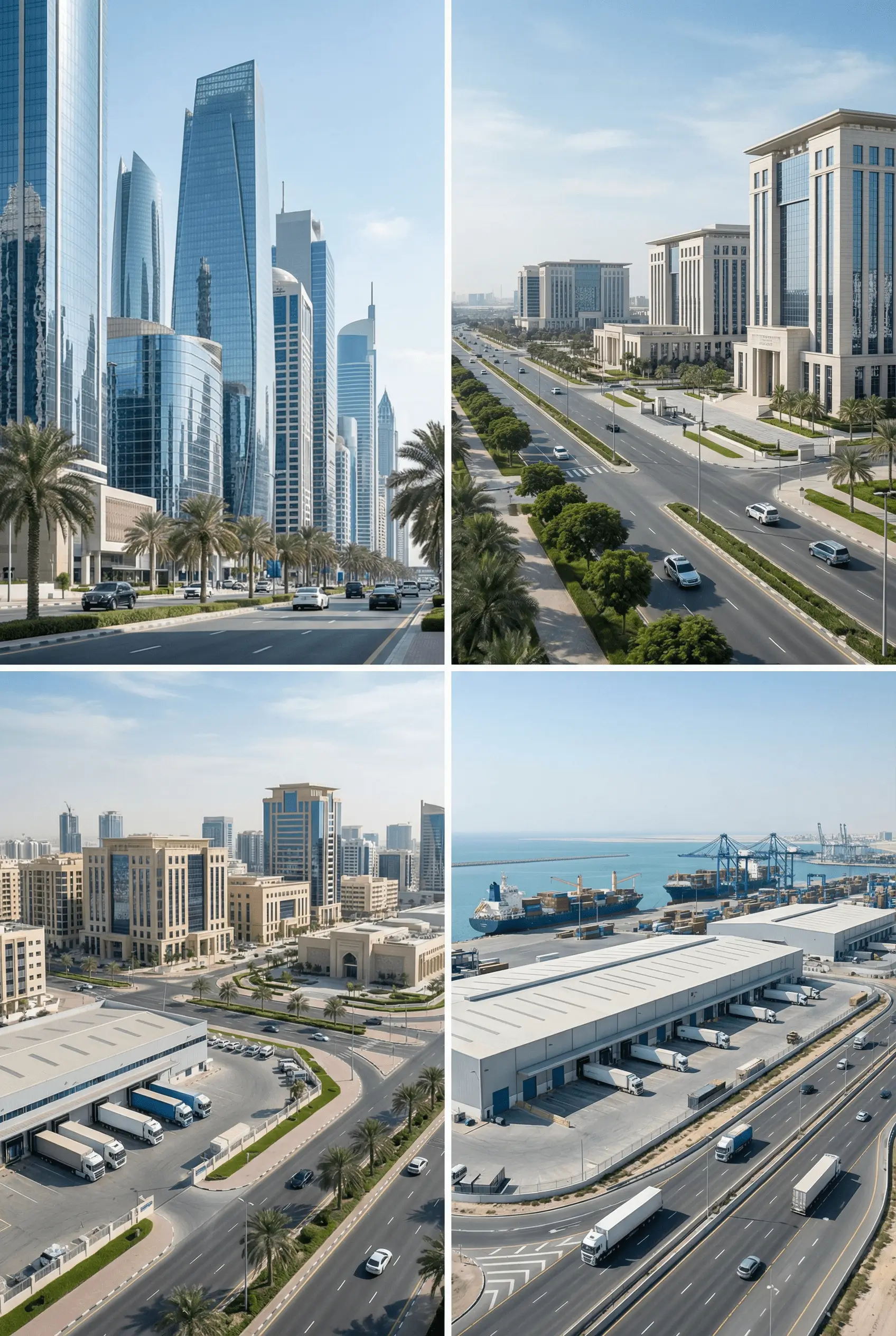
Dubai vs other emirates comparison

Choose the Right Business Setup Type in Dubai

Choosing the right structure is the most important decision in company setup Dubai—because it affects where you can trade, how you invoice customers, visa eligibility, office requirements, and long-term compliance. In Dubai, most entrepreneurs pick between mainland company setup (DED/DET) and free zone company setup, while offshore company setup is usually reserved for holding assets or operating internationally without doing business inside the UAE market.

Dubai also continues to streamline business identity through the Dubai Unified license (DUL), which is designed to give each business a single verified identity across Dubai (mainland and free zones).

Mainland Company Setup (DED)

Mainland registration is issued through Dubai’s economic licensing authority (historically called DED; now under Dubai’s Department of Economy and Tourism DET after the government merger).

Best For

  • Businesses that want to sell directly across Dubai and the wider UAE market without being tied to a specific free zone.
  • Companies that need flexibility to work with a broad range of clients (B2B and B2C), including large corporates and (where applicable) government-related work.
  • Retail, restaurants, salons, clinics, logistics providers, and service firms that require a clear local operating footprint.
  • Founders who expect to expand locations, add branches, or hire teams and scale visas based on office size.

Pros

  • Strong UAE-market flexibility (operate locally with fewer “where can I trade?” restrictions).
  • Wide range of licensed activities and operational models.
  • Clear pathways to expand (branches, additional activities, larger premises).

Cons

  • Office/tenancy requirements are more common (depending on activity and authority rules), and this can increase first-year setup cost.
  • Some activities require extra approvals from relevant regulators (varies by sector).
  • Compliance steps can be more detailed for certain regulated activities.

Common Activities

  • General trading & commercial trading (subject to activity approvals and scope)
  • Professional services: consulting, marketing, IT services, management services
  • Retail & consumer businesses: shops, salons, restaurants/cafés (activity-specific requirements apply)
  • Construction & contracting, maintenance, technical services
  • Logistics & transport-related services (depending on licensing requirements)
  • Real estate support services (where permitted and licensed correctly)

Free Zone Company Setup

Free zones are special jurisdictions with their own authorities and packaged setup routes. Dubai has 20+ free zones, each designed around certain sectors, facilities, and licensing options.

Best For

  • Founders who want a structured, package-based UAE free zone company setup with predictable inclusions (license + flexi desk/office options).
  • International businesses that sell outside the UAE or primarily do B2B, trading, e-commerce, and service exports.
  • Entrepreneurs who want specific ecosystems (commodities, logistics, aviation, tech, media, etc.) and free-zone facilities.
  • Businesses that may not need a full mainland office on day one.

Pros

  • Often faster and more “packaged” incorporation experience (depending on free zone and activity).
  • Many free zones promote business-friendly policies such as full ownership and repatriation benefits (rules and conditions vary by authority).
  • Sector-focused communities, support services, and facilities (warehousing, logistics, office solutions).

Cons

  • “Where you can trade” rules matter: if you want to sell directly into the UAE mainland market, you may need additional arrangements (e.g., distributor/agent, branch, or specific permissions depending on the model).
  • Each free zone has its own activity list, rules, and renewal structure—so the “cheapest” option isn’t always the best long-term fit.
  • Banking and compliance expectations still apply, and the chosen activity description must match real operations.

Popular Free Zones (Examples)

Below are examples—we choose based on your activity, visa plan, office needs, and budget:

  • DMCC (Dubai Multi Commodities Centre) – widely used for trading and services; strong business ecosystem.
  • JAFZA (Jebel Ali Free Zone) – popular for logistics, trading, warehousing, and industrial-linked operations.
  • DAFZ (Dubai Airport Freezone) – often chosen for aviation-linked, logistics, and international trading setups near the airport ecosystem.
  • Dubai South Free Zone – positioned around logistics and the Dubai South ecosystem.
  • Meydan Free Zone – known for digital-first setup experience (good fit depends on activity and operational needs).
  • IFZA (Dubai) – widely used for broad service/trading activity options (activity rules and approvals vary).

(We shortlist the best matches after confirming your activity scope and how you will invoice and deliver services/products.)

Offshore Company Setup

An offshore company is typically used for international business, asset holding, or ownership structures, and is generally not meant for operating a business inside the UAE market the same way a mainland or free zone company does.

Best For

  • Holding assets (shares, IP, investments) and corporate structuring (where suitable).
  • International trading or contracting outside the UAE.
  • Owners who do not need UAE residence visas tied to the company.
  • Privacy-focused structures (within legal compliance requirements).

Dubai’s most well-known offshore route is JAFZA Offshore, which must be processed through registered agents.

Other UAE offshore registries commonly used for offshore structures include RAK ICC and Ajman-related offshore routes (chosen based on the objective and compliance fit).

Pros

  • Usually no requirement for a full operational office or staff for day-to-day operations (structure-dependent).
  • Typically no visa requirement (because it’s not designed as an onshore operating entity).
  • Useful for clean holding/ownership arrangements and international contracts (when set up correctly).

Cons

  • Not designed for running an on-the-ground UAE business (staffing, premises, local client operations).
  • Banking can be more documentation-heavy because banks will want a clear business purpose and evidence of activity.
  • You generally won’t use offshore if your goal is visas, retail operations, or UAE-local trading as a normal operating company.

When Offshore Is Not Ideal

  • If you need UAE residence visas for yourself or employees.
  • If you want to open a shop, office with staff, or conduct day-to-day operations in the UAE market.
  • If your model requires local invoicing, local contracts, or regulated activity approvals in Dubai/UAE (mainland or free zone is typically the right path).
  • If your priority is fast operational launch with clear business activity licensing—offshore is often the wrong tool for that job.

Business Licenses in Dubai (What You Need)

In Dubai, your trade license is what legally allows you to operate—whether you’re doing company registration in Dubai mainland (via DET/“DED”) or setting up in a free zone. The license type is driven mainly by your business activity, and authorities allow licenses to include more than one activity in many cases—so it’s critical to select activities that accurately match how you will invoice, deliver, hire, and market your services/products.

As part of company setup Dubai with Sarab Al Iiman, we align your license choice with your legal form, approvals, and operational plan—and we keep your company identity consistent with frameworks like the Dubai Unified license (DUL), which provides one official business identity (license number + QR code) across Dubai for smoother verification and services.

Commercial License

A Commercial license is typically used for trading activities—buying/selling goods, import/export, distribution, and many types of commercial operations. It’s a common route for founders who want to trade within Dubai/UAE and/or internationally, and it’s available through both mainland licensing and many free zones (under their commercial/trading categories).

Common examples

  • General trading (scope depends on approvals and activity selection)
  • Import/export, wholesale, retail, e-commerce trading models
  • Commodity/product trading and distribution (category-specific rules can apply)

Important note on approvals

Some products and sectors (e.g., food, cosmetics, medical items, certain controlled goods) may require extra permits or regulator approvals beyond the main trade license—this is where activity selection and approvals matter most.

Professional License

A Professional license is for service-based businesses where the core value is expertise, skill, or professional work (rather than buying/selling physical goods). It’s widely used for consultants, agencies, IT/service providers, and specialists—often as a cost-effective and scalable structure depending on the activity.

Common examples

  • Management/marketing/IT consulting, design, media services
  • Technical services, training/education-related services (with approvals where required)
  • Professional services that may require qualifications or experience evidence (activity-dependent)

Why it matters

If you choose a professional license but operate like a trading business (or vice versa), it can create compliance friction later—especially in banking, invoicing, and contract reviews.

Industrial License

An Industrial license is for businesses involved in manufacturing, processing, production, assembly, packaging, or industrial-scale operations. These setups usually require more than just licensing—think facility planning, warehousing/industrial space, and multiple technical approvals depending on what you produce.

Common examples

  • Manufacturing/assembling products
  • Industrial packaging and processing
  • Production facilities and light industrial operations (activity-specific)

What typically makes industrial licensing different

  • More detailed compliance requirements (facility, safety, environment, municipality/civil defense requirements depending on the operation)
  • Longer preparation time because approvals depend on the site, layout, and activity risk profile

Tourism / Special Licenses

Dubai has dedicated licensing and permits for tourism-related businesses—such as tour operators, travel agencies, desert safari operators, and other tourism service providers—managed under DET’s tourism services framework. For example, desert camp/safari-related activities can require specific permits and may involve approvals from bodies like Civil Defence and Dubai Municipality depending on the activity.

Common tourism/special categories

  • Travel and tourism services (activity-based)
  • Desert safari / camp operations (permit-driven requirements)
  • Tour guide-related licensing/training pathways (where applicable)

“Special licenses” can also include regulated sectors that need external authority approvals (exact requirements depend on your activity). Sarab Al Iiman helps you identify these early so your setup doesn’t stall mid-process.

Choosing the Right Activity & Activity Approvals

This is where most people win—or waste time.

Choose activities that match how you will really operate

Your activity selection influences:

  • The license type you need (commercial/professional/industrial/tourism)
  • Your legal form options and documents required
  • Whether you need extra approvals and which authorities are involved

Understand approvals as a normal part of setup

For mainland licensing, DET outlines a structured flow (initial approval → trade name → issue trade license), and additional approvals may apply depending on the activity.

Keep your business identity clean and verifiable

Dubai’s Unified license (DUL) is designed to give each business one official identity (license number + QR code) that can be used for government and business services—helpful for verification and reducing friction with service providers.

How Sarab Al Iiman helps here

  • We shortlist the best-fit activities (not just “close enough” ones)
  • We flag any special approvals up front
  • We build a setup plan that supports your next steps: visas, invoicing, and banking readiness (where applicable)

Company Setup Process in Dubai (Step by Step)

This is the practical, end-to-end roadmap Sarab Al Iiman follows for company setup Dubai (and overall business setup in UAE)—whether you’re going for company registration in Dubai mainland (DET/DED route) or UAE Free Zone Company Setup. Exact steps can vary slightly by activity and authority, but this is the standard flow we use to keep your setup fast, compliant, and banking-ready.

Consultation & Activity Selection
1

Consultation & Activity Selection

We start by mapping your business model to the correct jurisdiction + license + legal form.

What we confirm with you

  • Your exact activity (what you sell, where you sell, how you invoice)
  • Mainland vs free zone fit (local UAE market access vs free-zone ecosystem)
  • Visa requirements (investor, employees, family sponsorship plan)
  • Budget and target timeline (so your setup plan matches your reality)

What you receive

  • Recommended setup type (Mainland / Free Zone / Offshore if appropriate)
  • Shortlisted activity list (accurate, not generic)
  • Clear overview of expected cost drivers (license, office/Ejari or flexi desk, visas, approvals)
Trade Name Reservation
2

Trade Name Reservation

Your trade name must meet UAE naming rules and match the licensing authority’s requirements.

We handle

  • Name availability checks (multiple options to reduce delays)
  • Submission for reservation (mainland or free zone portal)
  • Guidance on name format (including abbreviations, restricted words, and brand alignment)

Typical timing

  • Often same day to a few working days, depending on authority and name checks.
Initial Approval
3

Initial Approval

Initial approval is the authority’s “go-ahead” that your activity and shareholder structure can proceed.

We handle

  • Application submission with activity, shareholders, and basic company details
  • Coordination of any pre-approvals required for your activity (if applicable)
  • Corrections and resubmissions if the authority requests changes

What you provide (usually)

  • Passport copy (and visa/Emirates ID if resident)
  • Contact details, shareholding details, and business activity brief

Typical timing

  • Many cases: 1–5 working days; regulated activities can take longer.
MOA / LSA / Agreements
4

MOA / LSA / Agreements (As Applicable)

This step formalizes your legal structure and relationships.

Depending on your setup, we prepare/coordinate

  • MOA (Memorandum of Association) for LLC/civil company structures
  • LSA (Local Service Agent) agreement where applicable (mainly for certain professional/sole setups in mainland contexts)
  • Shareholder resolutions / corporate documents (for corporate shareholders)
  • Any required notarization/attestation steps (especially for foreign parent companies)

Why this matters

  • This is where ownership, responsibilities, and signing authority become legally clear—important for compliance and banking.
Office / Flexi Desk / Ejari
5

Office / Flexi Desk / Ejari (As Applicable)

Your office solution affects your license approval and visa quota.

Mainland (typical)

  • Physical office requirement may apply depending on activity
  • Ejari (tenancy contract registration) is often needed for mainland licensing/renewals where office space is required

Free zone (typical)

  • Flexi desk / shared office / private office options based on package and visa needs

We help you

  • Choose the correct office type based on activity + visas + budget
  • Avoid overpaying for space you don’t need (or under-buying and hitting visa limitations)
License Issuance
6

License Issuance

Once approvals and documents are complete, your trade license is issued and your company becomes legally operational.

What happens here

  • Final fee payment (government + authority charges)
  • License issuance with your approved activity list
  • Company documents issued (varies by mainland/free zone)

Important note

  • Dubai is also moving toward unified, streamlined identity verification through the Dubai Unified license concept—so your business identity details should be consistent and clean for smoother onboarding with service providers.

Typical timing

  • Often 1–5 working days after final submission (can be faster in some free zones).
Establishment Card & Immigration File
7

Establishment Card & Immigration File

If you need visas, your company must be registered with immigration/labour-related systems.

We handle

  • Establishment Card / immigration file creation (process differs by mainland vs free zone)
  • Setup of company immigration credentials required to start visa applications

Why it matters

  • Without this step, you can’t legally start investor/employee visa processing under the company.
Visa Processing (Investor/Employee/Family)
8

Visa Processing (Investor/Employee/Family)

Visa processing is usually the most time-sensitive stage because it involves medicals, biometrics, and appointment availability.

Common visa paths

  • Investor/Partner visa (for the owner/shareholder)
  • Employee visas (based on quota and company eligibility)
  • Family sponsorship (after the investor’s residency is active, subject to eligibility rules)

Typical flow

  • Entry permit (if applicable) → status change → medical → Emirates ID biometrics → visa stamping/approval steps (sequence can vary)

Typical timing

  • Commonly 2–4+ weeks depending on appointments, applicant status, and processing queues.
Corporate Bank Account Support
9

Corporate Bank Account Support

Banking approval depends heavily on your activity clarity and documentation readiness.

We support you with

  • Business profile preparation (what you do, where you operate, customer/supplier clarity)
  • Document readiness (license, shareholder docs, office proof, contracts/invoices if available)
  • Guidance to avoid common rejection triggers (unclear activity, mismatch between license and operations, incomplete KYC)

Important reality

  • Bank timelines vary widely. A “correct setup” improves your success rate and reduces back-and-forth, but approvals depend on each bank’s compliance review.
VAT / Corporate Tax / Accounting (If Needed)
10

VAT / Corporate Tax / Accounting (If Needed)

This is where many companies protect themselves long-term—by staying compliant from day one.

We help with

  • Accounting setup (chart of accounts, invoicing practices, expense tracking)
  • VAT readiness/registration support (if your turnover reaches the mandatory threshold set by the UAE tax authority)
  • Corporate tax readiness (registration and reporting approach based on your structure and activity)
  • Ongoing compliance support: bookkeeping, financial statements, renewal reminders, and amendments

Why it matters

  • Clean accounting and compliance make renewals easier, improve bank confidence, and reduce risks during audits or due diligence.

How Long Does Company Formation Take in Dubai?

Timelines for company formation in Dubai depend mainly on your setup type (mainland vs free zone vs offshore), whether your activity needs extra approvals, and how quickly documents and office requirements are completed. With Sarab Al Iiman, we keep the process predictable by locking the activity and document checklist first—so you avoid rejections and “restart” delays.

Typical Timelines by Setup Type

Mainland (DET/DED) — standard service/trading activity

  • Trade name + initial approval: often 1–5 working days/li>
  • MOA/agreements + office/Ejari (if required): typically 2–10 working days (depending on tenancy readiness)
  • License issuance: often 1–5 working days after final submission/payment

Typical total (license only): ~5 – 15 working days

With visas added: usually +2 – 4+ weeks (medical, biometrics, Emirates ID steps)

Mainland — activities with special approvals

  • If your activity needs external approvals, the “license only” timeline often becomes ~2 – 6+ weeks, depending on the regulator, site requirements (if any), and document readiness.

With visas: add +2–4+ weeks after the company immigration file is active.

Dubai Free Zone — no visa (or zero-visa package)

  • Many free zones can issue the company license in ~2–7 working days once documents are correct and payment is made.

Typical total: ~2 – 7 working days

Dubai Free Zone — with investor/employee visas

  • Company license: ~2 – 7 working days
  • Immigration file + visa processing: ~2 – 4+ weeks (appointments and case status matter)

Typical total (license + 1 visa): ~3 – 5+ weeks

Offshore (e.g., holding / international structure)

  • Offshore registration: often ~5 – 10 working days (varies by registry and registered agent workflow)

Typical total: ~1 – 2 weeks

Note: offshore is generally not a visa-based operating setup, so timelines focus on registration + documents, not visas.

Bank account timing (separate from licensing)

  • Corporate bank account onboarding can take ~2–8+ weeks depending on the bank, your activity, your profile, and compliance review depth. In some cases it’s faster; in others, it can take longer—especially for higher-risk industries or complex shareholder structures.

Factors That Can Delay Approval

1

Activity mismatch or vague activity description

  • If your chosen activity doesn’t match what you actually plan to do (or is too broad), authorities may request changes, and banks may later push back—creating avoidable rework.
2

Name reservation issues

  • Trade names can be rejected due to restricted terms, similarity, or formatting rules—especially if you submit only one option. We always prepare multiple compliant alternatives.
3

Special approvals / regulated sectors

  • Activities tied to tourism, food, health, education, transport, finance-related services, or industrial operations can require external regulator approvals, additional documents, and sometimes site inspections.
4

Office readiness (Ejari / flexi desk selection)

  • Mainland setups often move at the speed of your tenancy documents and Ejari registration where required.
  • Free zone setups can be delayed if you need to upgrade workspace to meet visa quota needs or specific authority requirements.
5

Corporate shareholders and document attestation

  • If a shareholder is a company (especially foreign), attestations/legalization and resolutions can add 1–3+ weeks depending on origin country and document readiness.
6

Visa appointment availability

  • Medical and biometrics appointment slots, holidays, and peak seasons can add delays even when the company is already licensed.
7

Incomplete KYC / inconsistent documents

  • Differences in name spelling, passport details, signatures, or missing supporting documents can cause re-submissions across licensing, immigration, and banking.
8

Seasonal workload and public holidays

  • Authority processing times can slow around peak business periods and UAE public holidays (e.g., Eid, New Year), so planning buffers helps.

Dubai Investor Visa & Employment Visas

Visas are a core part of company setup in Dubai because your license alone doesn’t grant residency. Once your company is licensed, visas typically move through the UAE’s immigration flow (entry permit or status change → medical fitness → Emirates ID biometrics → residence permit/stamping). The exact route depends on whether you are mainland (DET/DED) or free zone, and on whether the visa is for an owner (investor/partner), an employee, or family members.

Investor / Partner Visa

This is the residence visa route commonly used for company owners / shareholders / partners after company registration in Dubai is completed. In most cases, you’ll need an active trade license and an immigration/establishment file before you can start the residency steps.

What it’s used for

  • Owner residency under your Dubai company
  • Ability to sponsor eligible family members (once your residency is active)

Typical process (high level)

  • Company is licensed and immigration file/establishment profile is created
  • Entry permit (if you’re outside the UAE) or status change (if you’re already in the UAE)
  • Medical fitness test (mandatory for applicants 18+)
  • Emirates ID application + biometrics (fingerprints/biometric capture when required)
  • Residence permit/stamping is finalized through the relevant immigration channel (often via Amer centers / GDRFA Dubai services in Dubai)

How Sarab Al Iiman helps

  • We align your license activity, shareholder documents, and establishment file so your investor/partner visa process runs smoothly (and doesn’t get delayed by activity mismatches or missing documents).

Employee Visa

Employee visas usually involve a work permit (MoHRE for many mainland private sector roles) plus the residence visa steps through immigration. Free zones may manage employment visa processes through their own authority workflow, but the overall residency steps (medical + Emirates ID) still apply.

What it’s used for

  • Hiring staff legally under your company
  • Maintaining compliant employment and residency status

Typical process (mainland/private sector overview)

  • Work permit pathway: MoHRE issues different types of work permits depending on the job situation and category.
  • Entry permit/status change → medical fitness → Emirates ID biometrics → residence permit finalization.

What impacts employee visa speed

  • Your company’s establishment file readiness
  • Job role/activity alignment
  • Document completeness (passport validity, photos, signed offers/contracts where required)
  • Appointment availability for medical/biometrics

Family Visa

Once you hold a valid UAE residence visa (as an investor/partner or employee), you may be able to sponsor eligible family members. Dubai’s official guidance confirms that residents can sponsor family, and family members aged 18+ must complete medical fitness requirements.

Who is typically eligible (general)

  • Spouse and children (age/conditions depend on current rules and case type)
  • Additional dependents (such as parents) may be possible under specific conditions and documentation

Typical steps in Dubai (official flow)

  • Entry permit (if needed) → medical fitness for dependents above 18 → residence visa → Emirates ID

Documents commonly required (examples)

  • Proof of relationship (marriage/birth certificates)
  • Proof of accommodation (tenancy/Ejari) and other supporting documents depending on case.

Employee Visa

Employee visas usually involve a work permit (MoHRE for many mainland private sector roles) plus the residence visa steps through immigration. Free zones may manage employment visa processes through their own authority workflow, but the overall residency steps (medical + Emirates ID) still apply.

What it’s used for

  • Hiring staff legally under your company
  • Maintaining compliant employment and residency status

Typical process (mainland/private sector overview)

  • Work permit pathway: MoHRE issues different types of work permits depending on the job situation and category.
  • Entry permit/status change → medical fitness → Emirates ID biometrics → residence permit finalization.

What impacts employee visa speed

  • Your company’s establishment file readiness
  • Job role/activity alignment
  • Document completeness (passport validity, photos, signed offers/contracts where required)
  • Appointment availability for medical/biometrics

Medical, Emirates ID & Biometrics (Overview)

These steps apply to most UAE residence visa routes (investor, employee, and eligible family members).

Medical fitness

  • UAE residence visas generally require applicants 18 and above to undergo a medical fitness test as part of issuing or renewing residency.
  • Medical screening includes checks for communicable diseases as part of residency eligibility.

Emirates ID and biometrics

  • Emirates ID is part of the residence visa ecosystem, and biometrics/fingerprints are captured based on applicant requirements (for example, ICP notes fingerprint/signature registration rules, especially for older applicants).

Where it’s processed

  • In Dubai, many residency procedures run through GDRFA Dubai services and Amer/typing center channels depending on the step.

How Many Visas Can You Get? (By Office/Quota)

Your visa quota is closely tied to your workspace type and size—especially in free zones—and it typically scales up when you upgrade your office solution.

Free zones (clear published guidance)

The UAE government’s official platform states typical free zone quotas by office type as:

  • Flexi desk: up to 3 visas
  • Serviced office: 4–5 visas (depending on office size)
  • Physical space: about 1 visa for every 9 sqm

(Individual free zones may also publish similar quota guidance; for example DMCC shares the same flexi/office/space logic.)

Mainland (practical reality)

  • Mainland visa quotas are usually assessed based on your office/Ejari, business activity, and the relevant authority processes. The scalable rule is simple: more space and stronger operational footprint generally supports more visas, but the exact quota is case-based.

How Sarab Al Iiman optimizes visa quota

  • We recommend the lowest-cost office/desk option that still supports your real hiring plan, then build a clean upgrade path if you expect growth—so you don’t pay for unused space on day one, and you don’t get stuck with too few visas later.

Office Options in Dubai for Your License

Your office setup is not just a “location choice”—it directly affects company setup Dubai price, visa quota, licensing approval speed, renewals, and even corporate bank account readiness. Depending on whether you choose company registration in Dubai mainland or UAE Free Zone Company Setup, your workspace can range from a registered tenancy (Ejari) to a flexi desk, serviced office, or a full warehouse/industrial facility.

Dubai also uses standardized digital verification across many services, and your company identity and address details should remain consistent for smoother onboarding (including under the wider Dubai Unified license identity framework).

Ejari Office Mainland Dubai

Ejari Office (Mainland)

For many mainland setups, an office tenancy is a key requirement, and Ejari is the official tenancy registration system used in Dubai. An Ejari-registered contract is commonly needed to complete licensing steps and can affect visas and renewals.

Best for

  • Mainland companies that need local UAE market operations and a clear physical presence
  • Businesses expecting multiple visas and future scaling (visa quotas often relate to office footprint and operational substance)
  • Client-facing businesses where a physical office supports contracts, credibility, and compliance

What you should know

  • Ejari typically requires a valid tenancy contract and supporting documents (landlord/tenant documents and property details as required by the system).
  • Office choice influences total cost: rent + deposits + Ejari registration + fit-out (if needed) can materially increase your first-year spend and renewals.

How Sarab Al Iiman helps

  • We guide you to the lowest practical office solution that still meets licensing requirements and your visa plan—so you avoid overpaying for unused space.
Flexi Desk Free Zone Dubai

Flexi Desk / Shared Office (Free Zone)

In many Dubai free zones, the most common entry option is a flexi desk or shared/serviced office—often included as part of the free zone package. This is a cost-efficient way to start and is popular for online-first businesses, consultancies, and lean trading/service setups.

Best for

  • Founders who want a fast and cost-controlled launch in a free zone
  • Businesses that do not need a full physical office on day one
  • Owners who want a simple path to 1–3 visas (depending on the free zone and package)

Visa quota impact (published guidance)

The UAE’s official business portal notes typical free zone visa quotas by workspace type:

  • Flexi desk: up to 3 visas
  • Serviced office: 4–5 visas (depending on size)
  • Physical space: about 1 visa per 9 sqm

How Sarab Al Iiman helps

  • We match your hiring plan to the right desk/office level so you don’t hit visa limits unexpectedly—and we plan upgrades only when you need them.
Ejari Office Mainland Dubai

Virtual Office (Where Allowed)

A “virtual office” can mean different things in Dubai/UAE (mail handling, shared address, call answering, meeting room access). Whether it can be used for licensing depends on your jurisdiction (mainland vs free zone) and activity.

Best for

  • Low-physical-footprint service businesses
  • Companies that only need an address/communications solution while operating remotely
  • Early-stage founders testing the market

Important notes

  • Some authorities require a physical office or an approved workspace solution (Ejari or flexi desk) even if your business runs online.
  • Even when a virtual-style option is allowed, banks and some counterparties may still prefer evidence of real operating substance (contracts, invoices, clear activity explanation, and sometimes workspace).

How Sarab Al Iiman helps

  • We confirm what is actually permitted for your activity and authority—so you don’t buy an address solution that fails licensing or later causes banking friction.
Flexi Desk Free Zone Dubai

Warehouse / Industrial Spaces

If your activity involves storage, trading stock, logistics, production, assembly, or manufacturing, you may need a warehouse or industrial facility. These setups typically have more approvals and compliance requirements than a desk-based office.

Best for

  • Trading businesses needing storage and inventory handling
  • E-commerce companies managing fulfillment operations
  • Manufacturing/processing/industrial activities (industrial license routes)
  • Logistics and distribution operations

What to expect

  • Warehouses/industrial facilities can require extra approvals (for example, safety and site-related compliance depending on what you store/produce).
  • Costs are higher due to rent, utilities, fit-out, and possible regulatory requirements—but it unlocks operational capacity and can support higher visa quotas depending on footprint and authority rules.

How Sarab Al Iiman helps

  • We align your license activity with the correct facility type and approvals, and we plan your space based on real throughput needs (not guesswork).

Banking Support

A corporate bank account is one of the most important “go-live” steps after company setup Dubai. Even with a valid license, you’ll typically need a business bank account to receive payments, pay suppliers, run payroll, and build credibility with clients. Because UAE banks follow strict compliance and risk checks, the best way to avoid delays is to prepare a clear business profile and consistent documentation from the start—especially for company registration in Dubai mainland and UAE Free Zone Company Setup companies.

Corporate Bank Account Opening in UAE

Opening a UAE corporate account is not a single-form process—banks review your activity, owners, source of funds, expected transactions, and proof of real business operations. The stronger and clearer your setup is (license activity, address/office proof, contracts/invoices), the smoother your account onboarding tends to be.

Note: Requirements vary by bank and by your profile (resident vs non-resident, nationality, industry risk, shareholder structure, and transaction geography). Sarab Al Iiman prepares you for the most common requirements to reduce back-and-forth.

Documents Banks Usually Ask For

Banks may request some or all of the following (exact list depends on the bank and your case):

Company documents

  • Trade license (mainland or free zone)
  • Certificate of incorporation/registration and company constitution documents
  • MOA / AOA (or free-zone equivalent company documents)
  • Share certificate(s) and shareholding structure details
  • Company address proof (Ejari tenancy contract for mainland where applicable, or free-zone lease/flexi desk agreement)

Owner / shareholder documents

  • Passport copies and UAE residence visas / Emirates IDs (if applicable)
  • Personal address proof (from home country or UAE, depending on profile)
  • CV / professional background summary for key shareholders (often requested)
  • Bank statements (personal and/or business, as requested)
  • Source of funds / source of wealth evidence (especially for larger deposits or certain industries)

Business profile / operational evidence

  • Company profile / website / social pages (where applicable)
  • Description of products/services, target markets, and how you will earn revenue
  • Expected monthly turnover, average ticket size, and transaction geography
  • Client/supplier contracts, invoices, purchase orders, or signed agreements (if already trading)
  • Proof of business relationships (emails, proposals, platform store links for e-commerce, etc.)
  • For trading: details of goods, HS codes (sometimes), and logistics arrangements

Compliance declarations

  • UBO (Ultimate Beneficial Owner) details and declarations
  • AML/KYC forms and risk questionnaires required by the bank

Sarab Al Iiman helps you package these into a “bank-ready file” so your story is consistent and complete.

Common Challenges & How We Help

Activity doesn’t match real operations

  • Challenge: Your license activity looks generic or doesn’t match what you actually do, triggering bank questions or rejection.
  • How we help: We align your activity selection and business description early (during setup), and we create a clean business narrative that matches your license and invoices.

“No substance” concern (especially for remote/online companies)

  • Challenge: Banks may ask how you operate if you have no team, no office, or no local footprint.
  • How we help: We strengthen your file with operational proof—contracts, platform links, supplier/customer evidence, and a clear transaction model. We also advise when upgrading office/desk can improve credibility.

High-risk industries or geographies

  • Challenge: Certain industries (e.g., crypto-related services, money services, high-cash businesses, or heavily regulated sectors) and some transaction corridors can increase scrutiny.
  • How we help: We help you present compliant documentation, clarify the exact scope of your activities, and avoid mismatched descriptions that raise red flags.

Corporate shareholders and complex ownership

  • Challenge: Parent-company ownership adds legal documents, resolutions, attestations, and more compliance review.
  • How we help: We standardize and organize all corporate documents (including attestations if required) and present a clear ownership chart (UBO structure).

Non-resident founders

  • Challenge: Some banks may prefer UAE resident signatories or additional evidence for non-resident owners.
  • How we help:We guide you on the practical options and what evidence typically helps (contracts, existing turnover proof, local address/operations plan).

Inconsistent personal information

  • Challenge: Different spellings, signatures, or mismatched addresses across documents can trigger rework.
  • How we help: We run a consistency check across passports, license, MOA, tenancy/lease, and forms before submission.

Expected Timelines and Compliance Checks

Typical timeline range

  • Many corporate account openings take around 2–8+ weeks, depending on the bank, your industry, and how complete your documentation is. Some profiles may be faster, while others can take longer due to compliance escalations.

What the bank is checking

  • KYC: identity verification for shareholders and authorized signatories
  • UBO verification: who ultimately owns/controls the business
  • AML screening: sanctions/PEP checks and risk scoring
  • Business model review: how revenue is generated and whether it fits the license
  • Transaction expectations: countries involved, volumes, frequency, counterparties
  • Source of funds/wealth: legitimacy of incoming capital and ongoing flows
  • Operational substance: evidence the business is real and active (contracts/invoices, office/lease, website, staff where relevant)

How Sarab Al Iiman makes it smoother

  • We help you build a “compliance-first” profile, prepare your bank file properly, and reduce avoidable rejections by ensuring your licensing and business story are aligned from the start.

What Banks Care About Most

  • Clear & legal business activity
  • Transparent ownership (UBO)
  • Source of funds legitimacy
  • Real operating substance
  • Low compliance risk profile

Post-Setup Compliance & Ongoing Support

Getting your trade license is only the start. To keep your company in good standing (and avoid penalties or banking issues), you need a simple compliance rhythm: renew on time, keep clean records, meet tax deadlines, and update official registers whenever anything changes. Dubai DET also flags that after licensing, businesses must complete an Ultimate Beneficial Owner (UBO) declaration as part of anti–money laundering commitments.

Sarab Al Iiman supports you across these post-setup essentials so your business stays compliant while you focus on growth.

VAT Registration & VAT Filing (If Applicable)

When VAT registration becomes mandatory

  • If your taxable supplies and imports exceed AED 375,000 in the last 12 months (or you expect to exceed it in the next 30 days), VAT registration is mandatory.
  • Voluntary VAT registration may be available if taxable supplies/imports (or eligible expenses) exceed AED 187,500.

VAT return filing timeline

  • After registration, VAT returns and payments are generally due within 28 days from the end of your tax period (your tax period can be quarterly or monthly, as assigned).
How Sarab Al Iiman helps
  • VAT readiness check (whether you should register now or track turnover)
  • Registration support + FTA portal guidance (where needed)
  • Monthly/quarterly filing support and record-keeping workflow setup
VAT and Corporate Tax UAE

UAE Corporate Tax Basics (If Applicable)

Corporate tax rates (baseline)

  • UAE Corporate Tax is 0% on taxable income up to AED 375,000 and 9% on taxable income above AED 375,000 (with specific rules for certain cases such as large multinationals and qualifying regimes).

Registration timing

  • Dubai DET advises new license holders to register for corporate tax within 3 months of obtaining the trade license (good operational guidance so you don’t miss deadlines).
  • The Federal Tax Authority has issued decisions defining corporate tax registration timeframes based on taxpayer category and license issuance details.

Filing and payment deadline

  • Corporate tax returns (and payment of any corporate tax due) are generally required within 9 months from the end of the tax period.
How Sarab Al Iiman helps
  • Corporate tax registration guidance aligned with your tax period
  • Basic classification support (to understand whether you’re taxable/exempt/qualifying in principle)
  • Filing preparation support via bookkeeping-ready records and reporting workflows

Accounting & Bookkeeping

Clean books protect you in renewals, banking, and tax audits. UAE authorities and banks increasingly expect businesses to keep organized documentation and clear transaction trails.

What “good bookkeeping” looks like

  • Separate business expenses from personal spending
  • Proper invoices/receipts for income and expenses
  • Monthly reconciliation (bank, cash, payables/receivables)
  • Documentation retained in an orderly manner (contracts, purchase orders, delivery proofs)

The FTA also emphasizes maintaining records and meeting filing obligations on time as part of compliance expectations.

How Sarab Al Iiman helps
  • Bookkeeping setup (monthly routine, chart of accounts guidance, invoice discipline)
  • VAT-ready bookkeeping (if applicable)
  • Management reporting support (so you understand profit, cash flow, and tax exposure early)

ESR / UBO / AML Requirements (If Applicable)

ESR (Economic Substance)

  • The UAE Ministry of Finance announced the cancellation of economic substance reporting requirements for financial years ending after 31 December 2022, following Cabinet Decision No. (98) of 2024.
  • If your company had ESR obligations for periods up to 2022, you should still ensure those historical requirements were handled correctly (as applicable).

UBO (Ultimate Beneficial Owner)

  • UAE UBO rules generally define the real/beneficial owner as the individual who ultimately owns or controls 25% or more (directly or indirectly), among other control tests.
  • Dubai DET highlights that after licensing, businesses must complete a UBO declaration.

AML (Anti–Money Laundering)

  • UAE AML obligations apply to financial entities and also to Designated Non-Financial Businesses and Professions (DNFBPs), with registration and compliance expectations depending on the sector.
How Sarab Al Iiman helps
  • UBO register support (initial filing + updates when ownership/control changes)
  • AML readiness guidance for DNFBP-type activities (policy, KYC basics, record discipline)
  • Practical compliance calendar so nothing is missed

License Renewal & Amendments

Licenses must be renewed to keep the company active and compliant. Dubai’s official channels provide renewal services (including via Invest in Dubai/DET service routes), and free zones also require timely renewal to maintain good standing.

Sarab Al Iiman helps you plan renewals early so you’re not rushed by last-minute tenancy, approvals, or document updates.

Adding/Changing Activities

If your business expands (e.g., you add e-commerce, trading categories, or extra services), you often need an official license amendment so your activity list matches what you actually do. Dubai DET provides a formal “amend a trade license” route for changes such as activities or details.

We help with

  • Activity suitability check (to avoid selecting an activity that triggers unexpected approvals)
  • Amendment submission support and coordination

Changing Partners / Shareholding

Changes in shareholders, ownership percentages, or control typically require:

  • Updated company documents (and sometimes notarized/amended MOA)
  • Updated UBO records/declaration where required

We help with

  • End-to-end coordination of ownership updates, document revisions, and compliance updates

Office Address Change

If you change your office/lease:

  • Mainland businesses often need updated tenancy details (and in Dubai, tenancy contracts are registered/renewed through Ejari services under Dubai Land Department systems).
  • Free zones typically require updating the lease/space agreement within the zone’s system.

We help with

  • Address update process and document alignment (license, bank records, tax profiles) so your business identity stays consistent across systems

Documents Required for Company Setup in Dubai

A smooth company setup Dubai process depends heavily on having the right documents in the right format. Most delays in company registration in Dubai mainland or UAE Free Zone Company Setup happen because a document is missing, expired, incorrectly signed, or needs attestation/legalization (especially for foreign corporate shareholders). Sarab Al Iiman uses a “pre-check” method to keep your file consistent across licensing, immigration (visas), and banking.

Below are the typical document checklists by applicant type. (Exact requirements can vary by authority, activity, and whether you need visas.)

For UAE Residents

If you already have UAE residency (employment visa, partner visa, family sponsorship, etc.), authorities usually require:

Personal identity documents

  • Passport copy (validity should be strong—banks and authorities often prefer 6+ months)
  • UAE residence visa copy
  • Emirates ID copy (front and back)
  • Recent passport-size photo (white background, as per authority guidelines)

Contact and address details

  • UAE mobile number and email
  • Current UAE address and (if requested) proof of address

Business setup details

  • Proposed company name options (3–5 options to avoid name rejection delays)
  • Selected business activity/activity list (we help finalize this)
  • Shareholding and manager details (who owns what % and who signs)

If you will apply for visas

  • Status details (inside UAE / outside UAE)
  • Existing immigration file details (if any) and sponsor status (if relevant)

If your activity is regulated

  • Qualification certificates, experience letters, NOCs, or approvals (activity-dependent)

For Non-Residents

Non-resident founders can still complete company formation in Dubai and may also be able to proceed with visas depending on the setup route. Typical requirements include:

Personal identity documents

  • Passport copy (clear scan, color)
  • Recent passport-size photo (white background)
  • Entry stamp / visit visa copy (if you are in the UAE at the time of processing)

Contact details

  • Active phone number (UAE number helps but is not always mandatory)
  • Email and home-country address

Business setup details

  • Proposed trade name options
  • Business activity description (what you do, how you earn, where you will sell)
  • Shareholding structure + manager authorization

Banking readiness (often requested later)

  • Brief business profile and expected transaction plan
  • Sometimes personal bank statements or source-of-funds evidence (bank-specific)

Important note

Non-resident applications can be slowed by signature formalities or needing documents to be signed/verified from abroad—Sarab Al Iiman plans the signing route early to prevent delays.

For Corporate Shareholders

If one of the shareholders is a company (UAE or foreign), authorities and banks typically require additional corporate documentation.

Corporate documents (commonly required)

  • Certificate of Incorporation / Registration
  • Trade license (for UAE companies) or equivalent business registration
  • Memorandum & Articles of Association (MOA/AOA) or constitutional documents
  • Shareholder register or document showing ownership/UBO structure
  • Board Resolution authorizing:
    • The Dubai/UAE setup (or share purchase)
    • The appointed signatory/manager
    • Opening bank account (often requested by banks)
  • Passport copy of the authorized signatory
  • UBO declaration details (and ownership chart where needed)

Why this needs extra planning

Corporate shareholders often trigger attestation/legalization, especially if the parent company is outside the UAE. Banks also scrutinize corporate ownership more heavily, so document clarity matters.

Notarization / Attestation (When Needed)

Not every setup needs notarization or attestation, but these are the most common cases:

Foreign corporate shareholders

If the shareholder is a non-UAE company, its corporate documents often must be:

  • Notarized in the home country (as required)
  • Legalized through relevant government channels and the UAE embassy/consulate (process varies by country)
  • Possibly attested within the UAE after arrival (case-dependent)

Branch office of a foreign company

Branch setups usually require formal, attested parent-company documents and resolutions because the branch is an extension of the parent entity.

Certain legal forms and agreements

  • Mainland LLC/civil company structures may require MOA signing in a prescribed format.
  • Some cases require notarized signatures depending on authority requirements and shareholder arrangements.

Regulated activities

Certain professional or regulated activities may require attested qualification certificates or proof of experience (authority-dependent).

How Sarab Al Iiman helps

  • We tell you upfront which documents need notarization/attestation and which don’t.
  • We provide a clean document checklist, naming conventions (so spelling is consistent across documents), and signature guidance to reduce rejections.
  • We align documents for licensing + immigration + banking so you don’t “fix” the same issue three different times.

Why Choose Sarab Al Iiman for Company Setup in Dubai

When you compare a list of business setup companies in Dubai, the difference is rarely just “who can file the paperwork.” The real difference is who helps you choose the right structure, avoids rejections, keeps you compliant, and supports banking and growth after licensing. Sarab Al Iiman is built to deliver end-to-end company setup Dubai support with a compliance-first method—whether you need company registration in Dubai mainland, UAE free zone company setup, or a holding/structuring route.

Our Approach with Sarab Al Iiman

Our Approach (Speed + Compliance + Transparency)

  • Speed (without shortcuts)

    • We start with the fastest decision: the correct activity + jurisdiction (mainland vs free zone vs offshore where suitable). This prevents the most common delay—restarting because the activity or structure was wrong.
    • We use a ready-to-file checklist so documents are clean and consistent across licensing, immigration, and banking.
  • Compliance-first setup

    • We align your license activity with how you will actually operate, invoice, and receive payments—so you don’t face problems during bank onboarding or renewals.
    • We plan post-setup essentials early (UBO filing, corporate tax registration guidance, VAT readiness if applicable, and bookkeeping routines) so you remain in good standing.
  • Transparency in pricing and scope

    • We explain the real company setup Dubai price in plain language: government/authority fees, workspace/Ejari or flexi desk, visas, approvals, and optional consultant support.
    • You get clear inclusions and exclusions for your selected Dubai company setup packages, so there are no surprises later.

What Makes Us Different

“Right-fit” setup, not generic templates

Many providers sell whichever package is easiest. We recommend what fits your revenue model:

  • Want to sell directly in the UAE market? Mainland may be best.
  • Want a package-based structure with a fast launch? A free zone may be best.
  • Want to hold assets or structure ownership? A holding/offshore route may fit better.
Bank-ready documentation mindset

Most founders only discover banking requirements after they get the license. We structure your setup to be easier to explain to banks:

  • Clear activity scope
  • Consistent shareholder details
  • Strong business profile and operational evidence readiness
Online-first execution where possible

When applicable, we support online company registration in Dubai workflows via official portals and ensure digital submissions are correct—helping clients who want to register company in Dubai online without repeated rejections.

Real support after the license

Sarab Al Iiman doesn’t disappear after issuance. We support renewals, amendments, accounting/VAT readiness, corporate tax guidance, and business growth updates—so your company stays compliant and active.

Dedicated consultants, clear communication

You get structured updates, a single point of contact, and a step-by-step checklist—so you always know what’s pending, what’s submitted, and what’s next.

Industries We Commonly Support

We support a wide range of sectors under both mainland and free zone licensing, including:

  • Trading & general trading (import/export, distribution, wholesale/retail—activity-specific)
  • E-commerce & digital commerce (online stores, marketplace sellers, fulfillment models)
  • Professional services (management consulting, IT services, marketing, design, training—activity-dependent)
  • Technology & software (SaaS, IT support, development, digital solutions)
  • Logistics & services (transport coordination, warehousing-related structures where applicable)
  • Real estate support services (where permitted and licensed correctly)
  • Hospitality and tourism-related services (subject to special permits/approvals)
  • Industrial and manufacturing setups (where facility approvals and industrial licensing apply)
  • If your activity is regulated or needs external approvals, we identify that early and plan a compliant route from day one.
Industries We Commonly Support

Client Success Highlights / Case Studies

Below are example outcomes that reflect how we work (shared in a privacy-respecting way—exact names and sensitive details can be provided on request where permitted):

Fast free zone launch for a consulting business
  • Goal: start invoicing quickly with minimal overhead
  • Solution: free zone license + flexi desk + clean service activity selection
  • Result: license issued quickly, founder completed visa process, and banking file was prepared with clear service scope and expected transaction model.
Mainland setup for a UAE-market service business
  • Goal: serve local clients and scale hiring
  • Solution: mainland license with the right activities + Ejari office planning to support visa growth
  • Result: business launched with a scalable office plan and a compliance checklist for renewals and tax readiness.
Trading company structured for bank and supplier onboarding
  • Goal: import/export with clean documentation for counterparties
  • Solution: trading-appropriate activity selection + structured document pack + clear ownership and authorization setup
  • Result: smoother onboarding with suppliers and stronger readiness for corporate banking compliance questions.
Holding structure for an investor group
  • Goal: consolidate ownership across multiple operating companies
  • Solution: holding-style structure aligned with the investor’s long-term plan, with planned governance documents and compliance calendar
  • Result: a cleaner corporate structure for future expansions and shareholding changes.

Frequently Asked Questions (Company Setup Dubai)

Clear answers to common questions about company setup in Dubai, mainland vs free zone, banking, visas, and renewals.

Company Setup Dubai FAQs

In most cases, yes. The UAE has enabled full foreign ownership for a wide range of mainland commercial and industrial activities, and Dubai’s official platforms highlight that most activities now allow 100% ownership.
However, some activities are restricted and may not allow 100% foreign ownership (or may fall under additional “strategic” rules). Dubai’s official “foreign ownership restrictions list” includes sensitive categories such as security/defence, telecommunications, banks/exchange, and other regulated areas.

It depends on how you will operate:
  • Mainland is usually best if you want to trade freely across the UAE market, work with a wide range of local customers, and keep location flexibility in Dubai.
  • Free zone is usually best if you want packaged setup options, faster initial licensing in many cases, and a structure designed for international business or specific industry ecosystems (with rules depending on the free zone).

Sarab Al Iiman helps you choose based on your activity, customer location, visa plan, office needs, and banking readiness.

Not always—but you do need an approved workspace solution.
  • For many mainland cases, you’ll need a business location, and Dubai commonly requires tenancy agreements to be registered via Ejari.
  • For free zones, a flexi desk / serviced office / physical office is often offered as part of the package, and your choice affects visa quota and approvals.

Sometimes, yes—but it’s typically more compliance-heavy.
Some UAE banks explicitly offer business banking options for residents and non-residents, and some allow you to start the application online.
That said, banks must follow strict KYC/UBO verification requirements under UAE regulations, so non-resident files often require stronger documentation and may involve an in-person visit depending on the bank and profile.
Dubai’s Dubai Unified License (DUL) initiative has also been publicly reported by official Dubai channels as reducing business bank account opening time significantly in many cases—while still keeping compliance checks in place.

For free zones, the quota is commonly linked to your workspace type. The UAE’s official platform states typical free zone quotas as:
  • Flexi desk: up to 3 visas
  • Serviced office: 4–5 visas (depending on office size)
  • Physical space: about 1 visa for every 9 sqm

For mainland, visa eligibility is generally tied to your office/Ejari and company profile, so the practical answer is: bigger space + compliant setup usually supports more visas (case-based).

The lowest-cost route depends on eligibility and activity—but typically it’s one of these:
  1. Lean Dubai licensing routes for eligible activities (often online)
    • Invest in Dubai lists a “request to issue a trade license” service with a fee of AED 1,070, plus Dubai Chamber membership AED 300 for that route (where applicable).
    • Media reports also cite Dh 1,370 for an eTrader-style license (activity-dependent).
  2. Low-cost free zone packages with 0 visas + flexi desk
    • These can be budget-friendly, but pricing and inclusions vary heavily by free zone and by what’s included (license type, desk, establishment file, etc.).

Sarab Al Iiman will tell you upfront whether a “cheap” option fits your real plan—especially if you need visas, UAE local sales, or fast banking.

Yes. Many steps can be initiated remotely (trade name, initial submissions, and in some cases license issuance through online portals). Invest in Dubai also states you can apply online and that the service can be completed quickly for eligible cases.
Where you may still need a physical presence: certain signing requirements (depending on legal form) and sometimes banking/verification steps (bank-dependent).

Renewals vary by jurisdiction + activity + office solution + visas.
What typically renews each year:
  • Trade license renewal (officially, the renewal fee depends on the business activity)
  • Office / Ejari renewal (if your license requires a tenancy)
  • Dubai Chamber membership, where applicable (fees shown as AED 300–AED 2,200, depending on category)
  • Immigration/establishment card and visa-related renewals (if you have visas)

For a practical planning band, many Dubai service providers estimate trade license renewal costs often fall around AED 8,000–15,000 before office rent and visa-related costs—but your exact figure can be lower or higher depending on your activity and setup.

Ready to Start Your UAE Business?

Get a free consultation with our business setup experts at SARAB AL'IIMAN. We’ll guide you step by step—whether it’s choosing between mainland, free zone, or offshore setup, handling trade licenses, visas, or opening a bank account. Let us simplify the process so you can focus on growing your business in the UAE.

Your information is secure and will never be shared.